Market Research: Deeply understand the cultural background, consumer needs, and competitive landscape of target markets.

With the acceleration of globalization, sanitaryware companies are facing increasingly complex cross-cultural design challenges. Consumers from different cultural backgrounds have different needs and preferences regarding product functionality, appearance, and usage habits. To succeed in international markets, companies must deeply understand the cultural differences of target markets and incorporate them into product design.
I. Impact of Cultural Differences on Bathroom Product Design
Color and Symbolism: Different cultures have different symbolic meanings for colors. For example, red represents auspiciousness and joy in China, while white represents purity and simplicity in Western cultures.
Space Utilization Habits: Asian families generally emphasize space utilization and prefer compact, multifunctional bathroom products, while European and American families prioritize spacious and comfortable spatial experiences. Cleaning Habits: Different cultures have different preferences for cleaning methods and frequency. For example, Japanese consumers generally prefer to use smart toilet seats for cleaning, while European consumers prefer traditional showering methods. | 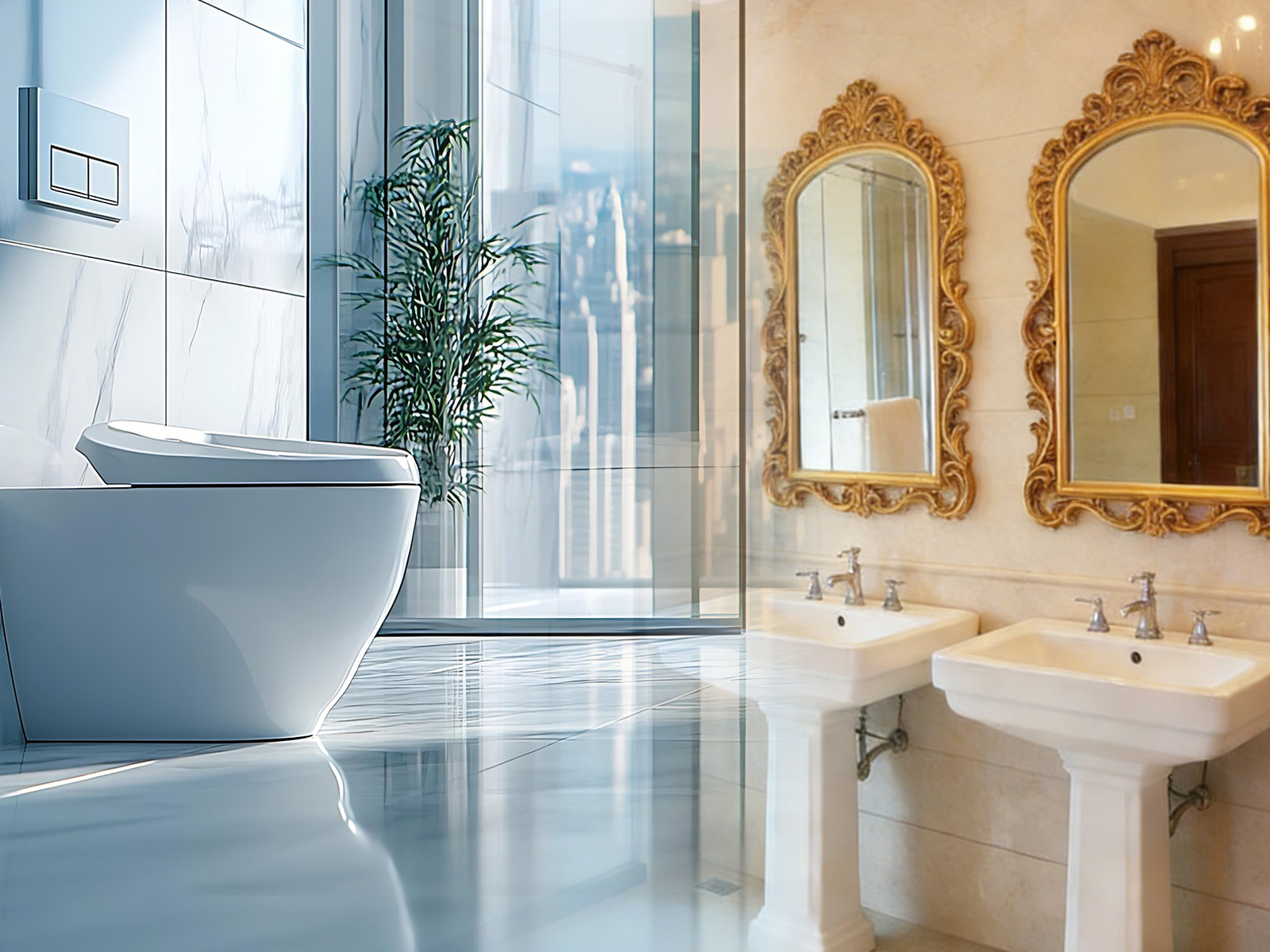 |
Aesthetic Preferences: Different cultures have different aesthetic preferences for product appearance, materials, and textures. For example, Chinese-style bathroom products emphasize classic and elegant designs, while modern styles emphasize simplicity and fashion.
Religious Beliefs: Certain religious beliefs have specific requirements for the use and design of bathroom products. For example, Islamic culture requires the use of specific cleaning methods and avoids using certain animal patterns.
II. Design Strategies for Different Cultural Markets
Market Research: Deeply understand the cultural background, consumer needs, and competitive landscape of target markets.
Localization Design: Localize product design based on the cultural characteristics and aesthetic preferences of the target market. Customized Services: Provide customized products and services to meet the individual needs of different consumers. Multilingual Communication: Communicate and promote in the language of the target market to enhance brand awareness and influence. | 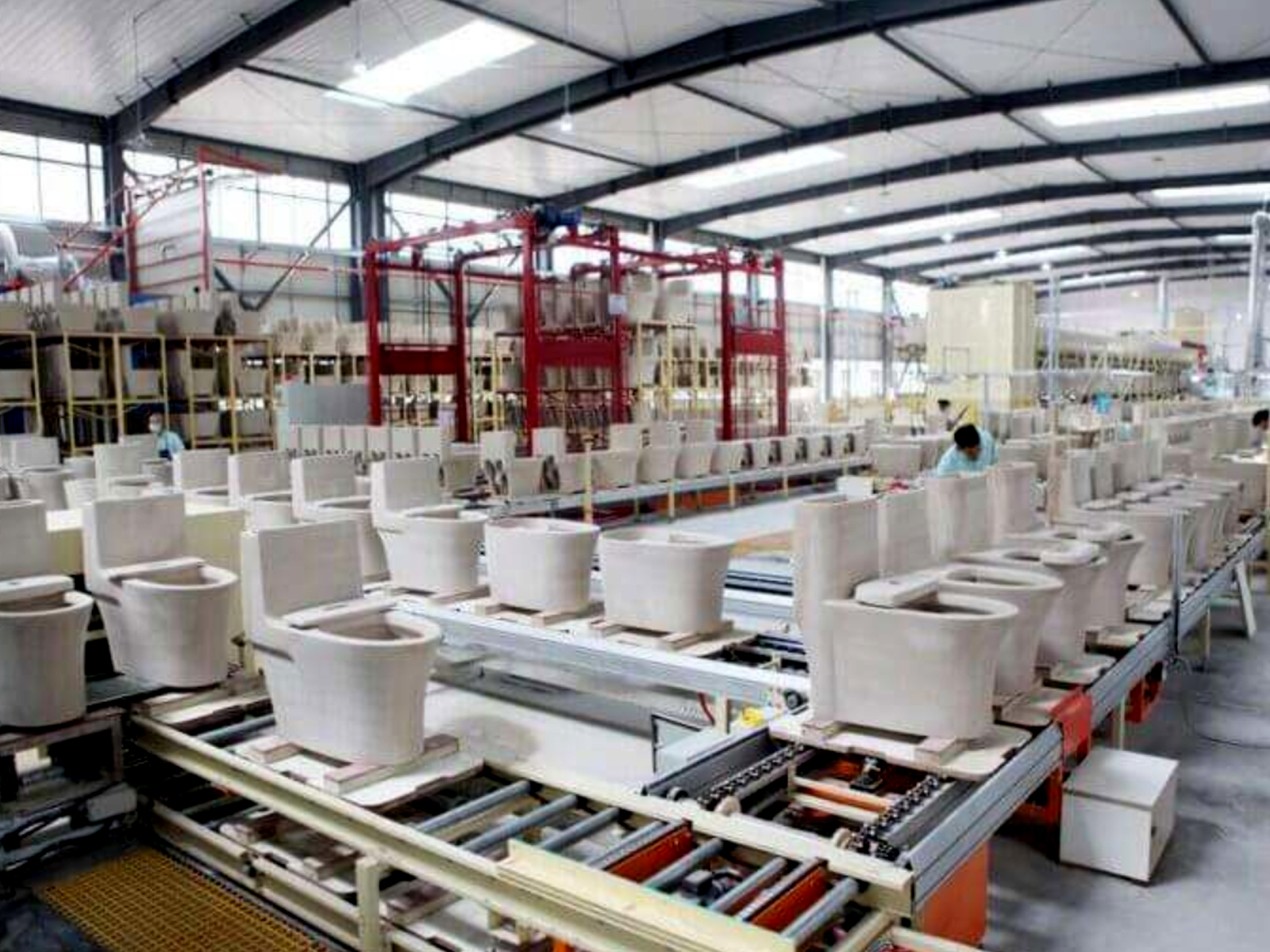 |
Cultural Sensitivity: Avoid using offensive or inappropriate cultural elements and respect local customs.
III. Sunlets’ Design Philosophy: Respecting Culture, Innovating the Future
Sunlets always adheres to the design philosophy of “Respecting Culture, Innovating the Future,” and is committed to providing global consumers with higher-quality, more personalized bathroom products. We will continue to strengthen cross-cultural communication and cooperation, continuously improve our design level, and meet the needs of different cultural markets.