
Global environmental regulations are becoming increasingly stringent, placing higher demands on the design and production of sanitaryware. To meet the growing demand for environmental protection, sanitaryware companies must make comprehensive adjustments from raw material selection and production processes to product design. This article explores the impact of global environmental regulations on sanitaryware design and analyzes how businesses can respond to these challenges.
I. Major Environmental Regulations and Their Impact
REACH Regulation (EU): Restricts the use of hazardous chemicals, requiring companies to provide chemical information and safety data, impacting the selection of ceramic raw materials and formulation design. RoHS Directive (EU): Restricts the use of certain hazardous substances in electrical and electronic equipment, posing requirements for sanitaryware products such as smart toilet seats that involve electronic components. | 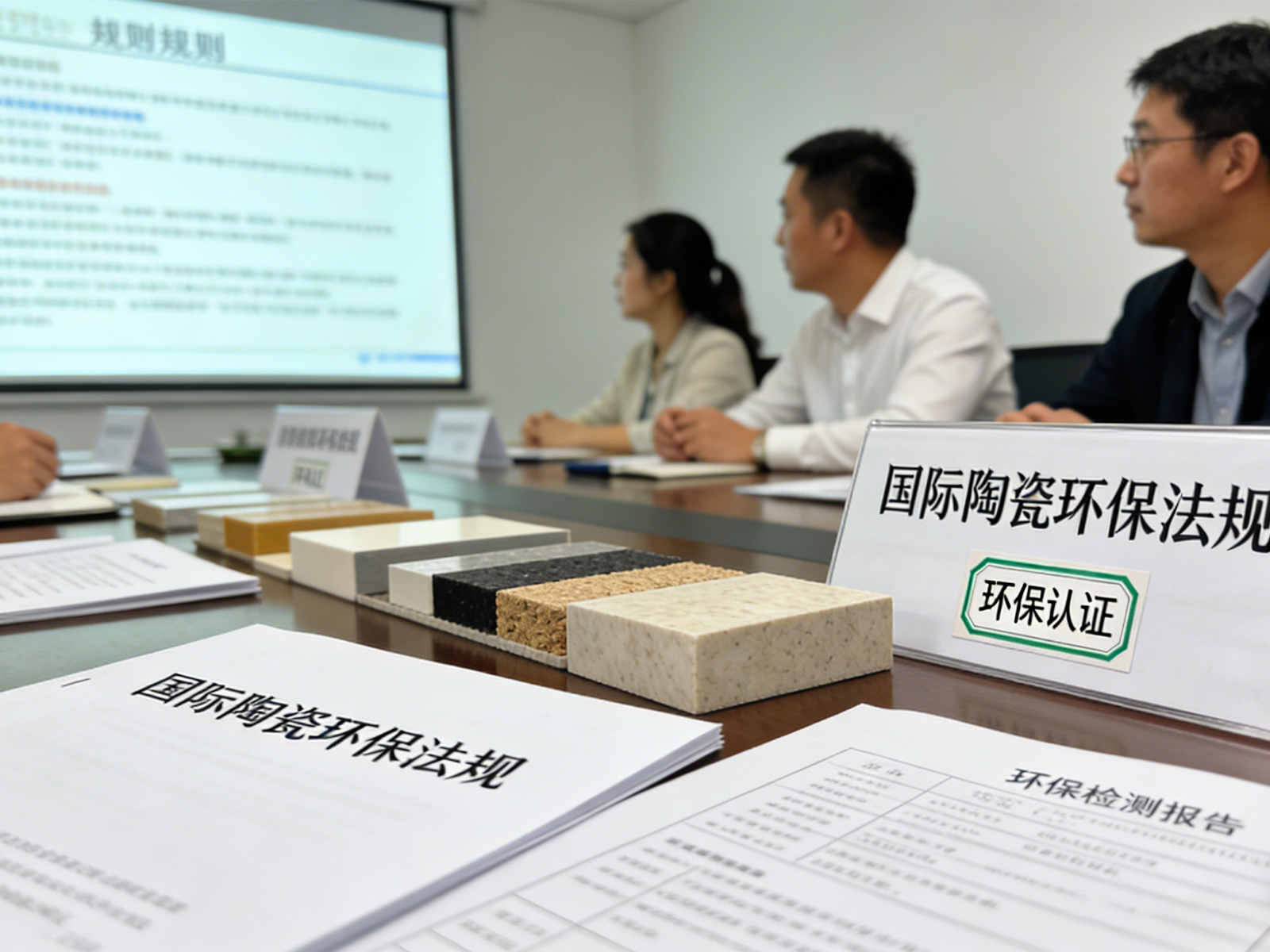 | |
VOC Emission Standards: Restrict the emission of volatile organic compounds, promoting the adoption of environmentally friendly binders, glazes, and production processes. Water Resource Management Regulations: Encourage companies to develop water-saving sanitaryware products, such as water-saving toilets and shower heads. Packaging Material Restrictions: Encourage companies to use recyclable and biodegradable packaging materials to reduce environmental pollution. | ||
II. Impact of Environmental Regulations on Sanitaryware Design
Raw Material Selection: Prioritize environmentally friendly, non-toxic, and renewable ceramic raw materials, reducing the use of hazardous substances. For example, using low-radioactivity clay, environmentally friendly binders, and lead-free glazes. Product Design: Optimize product structure, reduce material consumption, and improve product durability and lifespan. Design products that are easy to disassemble and recycle for resource circulation. Production Processes: Adopt clean production processes, reduce waste emissions, and lower energy consumption. For example, use dry granulation technology and energy-saving firing technology. | 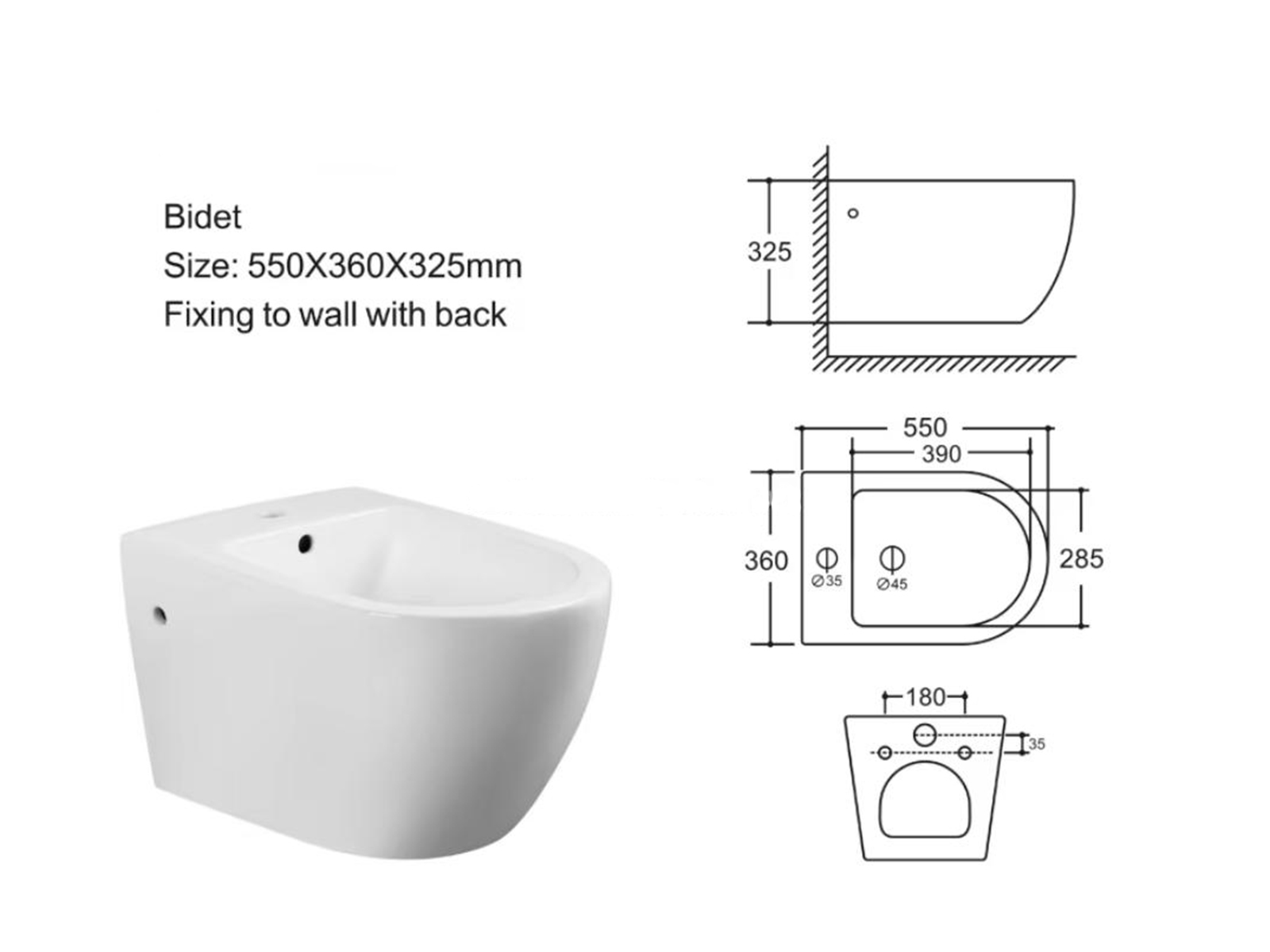 | |
Packaging Design: Use environmentally friendly and recyclable packaging materials, reduce packaging volume, and lower transportation costs. Intelligent Design: Achieve water and energy savings through intelligent design, improving the environmental performance of products. | ||
III. Corporate Response Strategies
Strengthen Environmental Awareness: Establish environmental concepts and incorporate environmental protection into the company’s development strategy.
Technological Innovation: Increase R&D investment to develop environmentally friendly materials, processes, and products.
Supply Chain Management: Build an environmentally friendly supply chain and select suppliers that meet environmental requirements.
Compliance Management: Ensure that products comply with relevant environmental regulations and obtain certifications and authorizations.
Information Disclosure: Publicly disclose product environmental information to consumers and enhance brand image.
Sunlets' Technical Services:
Sunlets actively responds to global environmental trends and is committed to developing sanitaryware products that comply with environmental regulations. We will continuously innovate technology, optimize design, and provide customers with more environmentally friendly and sustainable bathroom solutions.