
High-end sanitaryware products are not only a reflection of functionality but also a symbol of quality of life and aesthetic pursuit. In the design process, in addition to focusing on the beauty of the product’s shape, it is also necessary to fully consider its compatibility with the overall bathroom space. A successful case is to integrate the product into the space, creating a harmonious, comfortable, and stylish bathroom experience. This article explores the key elements of form design and spatial compatibility for high-end sanitaryware products.
I. Space Type Analysis and Design Orientation
Different bathroom space types have different requirements for product form design:
Small Bathroom: Emphasizes compactness, practicality, and space-saving. The product shape should be simple and smooth, avoiding a bulky feel, and focusing on functional integration. For example: wall-mounted toilets, narrow-edged vanity units, etc. Medium Bathroom: Balances practicality and aesthetics. The product shape can be more diversified, focusing on detail design and improving the sense of space hierarchy. For example: semi-integrated bathtubs, vanities with storage functions, etc. Large Bathroom: Emphasizes luxury, comfort, and personalization. The product shape can be boldly innovative, using high-end materials to create a luxurious bathroom space. For example: freestanding bathtubs, smart toilets, etc. | 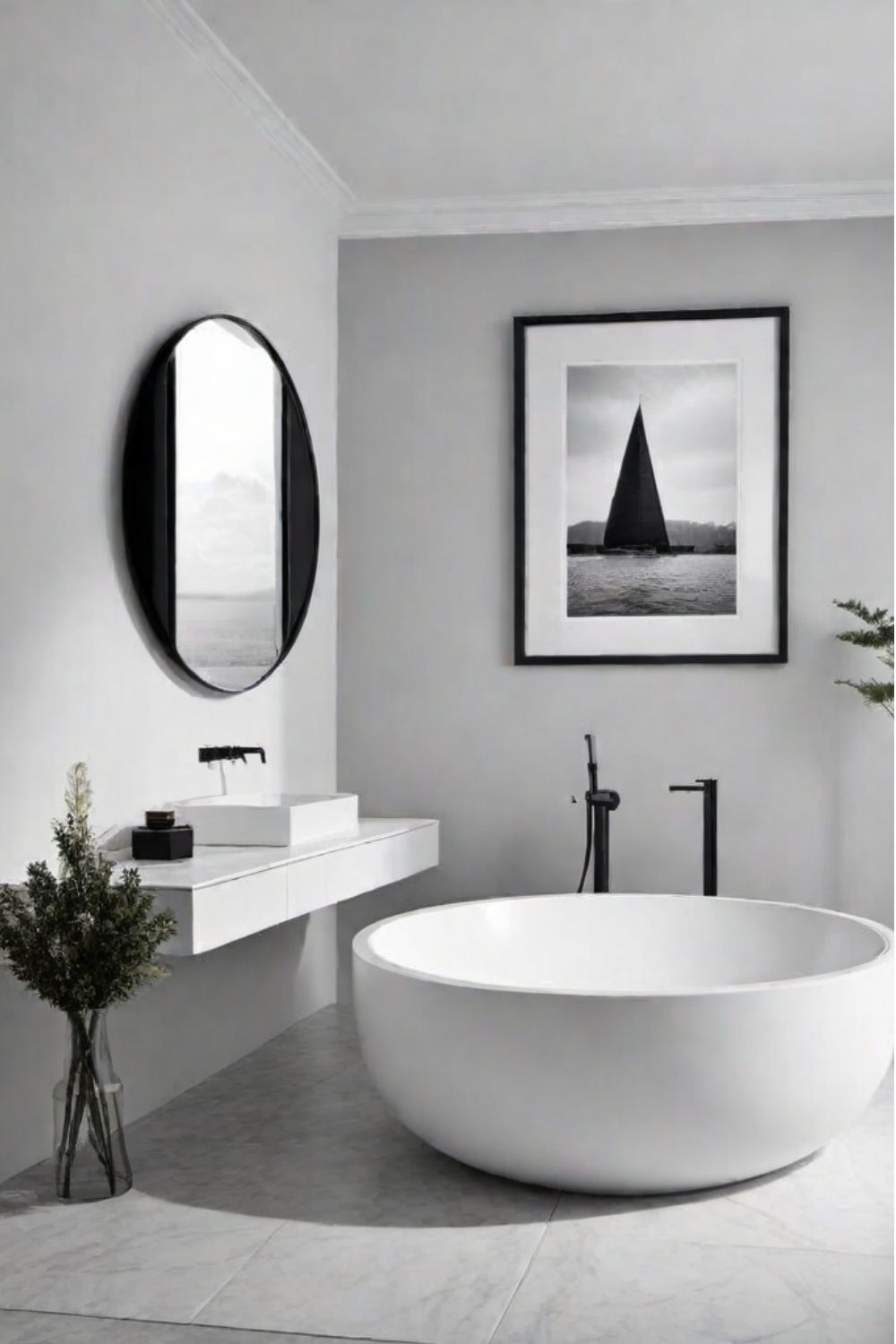 |
II. Coordination Between Form Design and Space Proportion
Golden Ratio: Use the golden ratio in product form design to make the product proportion more harmonious and beautiful, in line with the principles of ergonomics.
Visual Center of Gravity: Arrange the visual center of gravity of the product reasonably, guide the user's vision, and highlight the product’s characteristics and advantages.
Color Matching: Use colors that coordinate with the overall style of the bathroom space to create a harmonious and unified visual effect.
Material Selection: Choose materials that match the style of the bathroom space to enhance the product’s quality and overall style.
III. Integration of Product Function and Space
Smart Design: Integrate smart functions into the product design to enhance the convenience and comfort of the product, such as smart toilets, induction faucets, etc. Multi-Functional Design: Adopt multi-functional design to realize the full utilization of space, such as mirror cabinets with storage functions, shower heads with adjustable height, etc. | 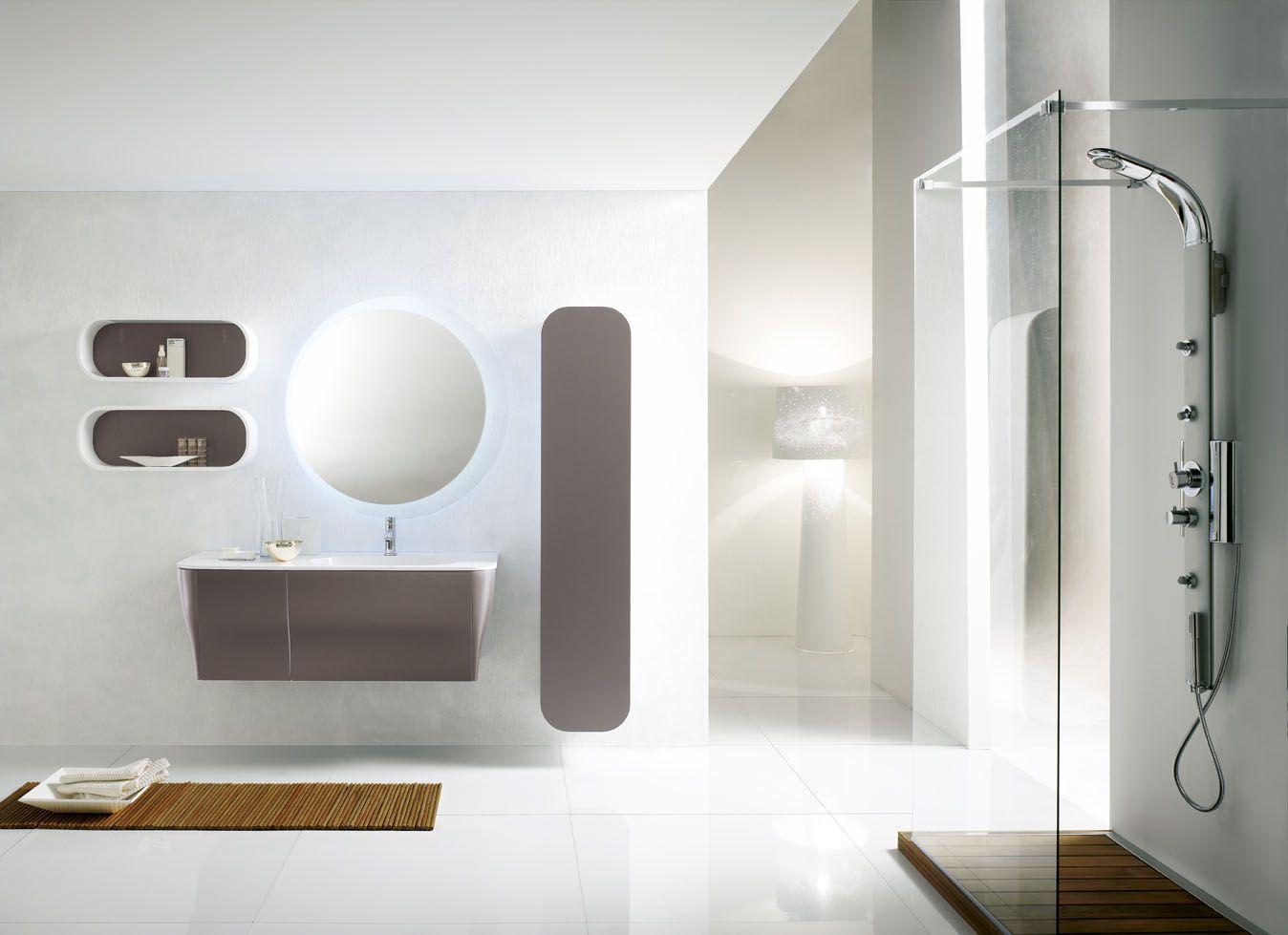 | |
Hidden Design: Hide pipes, water pipes and other facilities to maintain the cleanliness and beauty of the bathroom space. | ||
Sunlets’ Design Philosophy:
Sunlets adheres to a people-oriented design philosophy, focusing on the aesthetic beauty and spatial compatibility of products. We have an experienced design team that can tailor high-end bathroom products to customer needs, creating comfortable, fashionable and personalized bathroom spaces.