
Introduction
Sustainability is no longer a peripheral consideration; it is a powerful consumer imperative that has gained significant momentum over the past decade. Crucially, this shift is not merely about mitigating environmental impact, but about optimizing living spaces to elevate our holistic well-being.
As ecological awareness awakens globally, demand for sustainable products has surged. A more profound "Eco-Conscious Living" ethos now tops our priorities, manifesting in two key behaviors: a concerted effort to extend the lifecycles of home goods, and the deliberate selection of materials designed to minimize carbon footprints. We are witnessing a pivotal evolution in design toward systematic, holistic methodologies. The influence of these trends permeates the entire home, moving beyond isolated room-by-room solutions. This demands a macro-perspective, driving the systematic integration of water, heating, lighting, and materials to achieve unprecedented efficiency in residential resource consumption. | 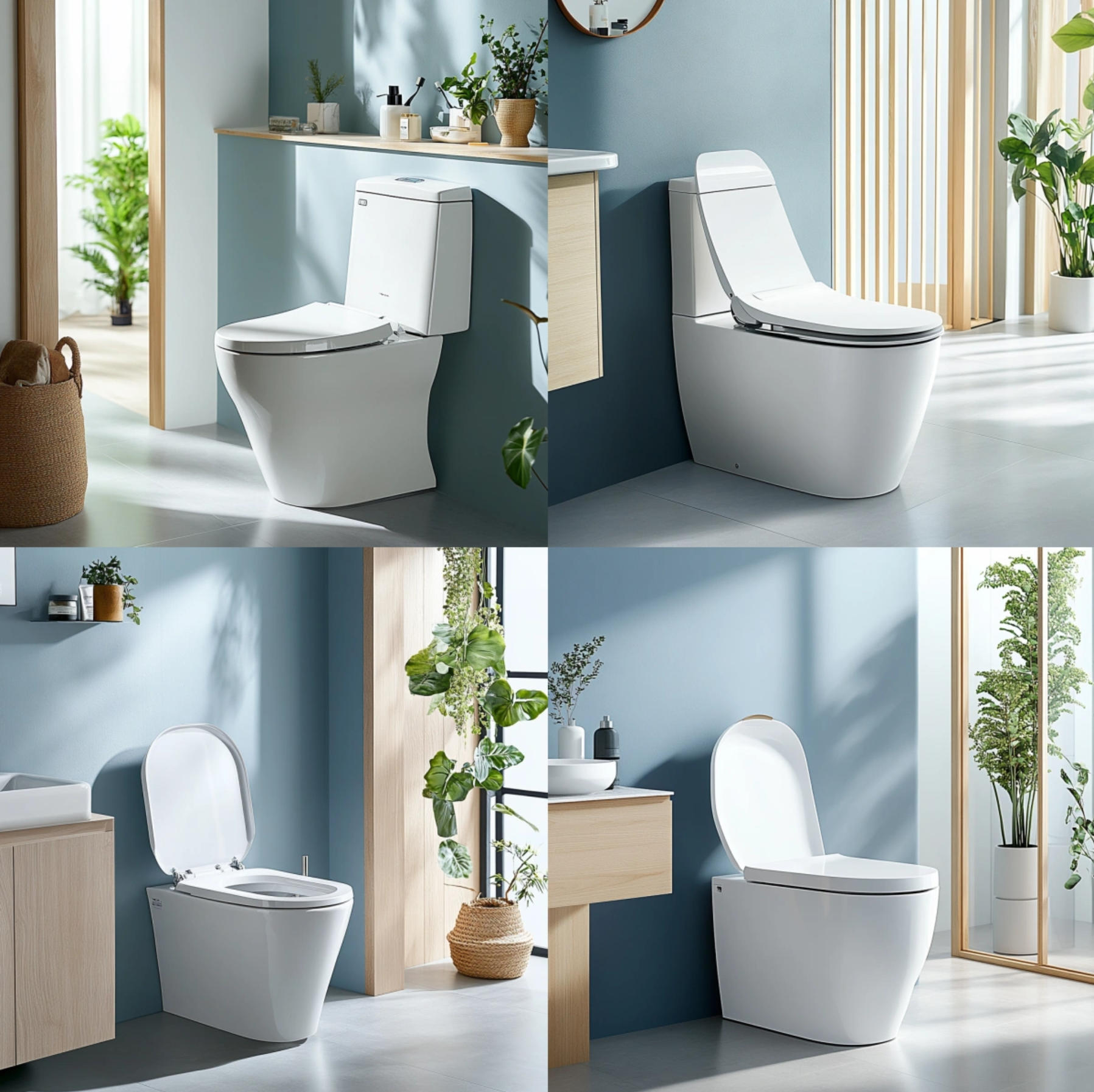 |
Curating the Timeless: Prioritizing Longevity Over Disposable Décor
The democratization of design via TV and social media has indubitably made aesthetic inspiration accessible to all, igniting a widespread passion for DIY home improvement. However, this surge of creativity carries a hidden ecological cost. Fleeting, "fast-design" trends often lack the engineering to endure. The resulting cycle of frequent renovations and redecorating leads to substantial furniture waste, a paradigm diametrically opposed to sustainability.
The antidote to this disposable culture is "Slow Decorating"—a mindful, deliberate approach central to "Eco-Conscious Living." It calls for complete immersion in individual projects, whether that involves painstakingly reupholstering a cherished chair, creatively upcycling vintage furniture, or building a bespoke piece that evolves slowly, adding depth and narrative character to a space. Before acquiring new furnishings, we advocate the "Two-Week Rule": implement a cooling-off period. If the desire persists after this fortnight, the item is likely a sound, long-term acquisition rather than an impulse purchase driven by transient trends.
When executing DIY transformations, material specification is paramount. Choosing durable hardwoods, such as oak, over engineered options like MDF delivers superior longevity and, consequently, a better long-term environmental profile. This is especially critical for kitchens and bathrooms—core competencies of our manufacturing sector—where installations are typically expected to perform for 15 to 20 years. Industry leaders like Malmo Flooring, for instance, offer a 25-year warranty on their luxury vinyl tile (LVT), engineered to withstand high-traffic, rigorous daily use. Every design and material selection must possess the "staying power" to justify its intended lifespan. Ultimately, success lies in cultivating individual taste and making personalized choices rather than succumbing to algorithmic trends online.
Material Integrity: Where Sustainability Meets Lifestyle Quality
The materials we integrate into our homes are powerful narrative tools, and increasingly, we demand that they tell a story of environmental stewardship. Utilizing sustainable inputs—such as recycled glass, reclaimed metals, bamboo, salvaged wood, and upcycled components—significantly lowers a project’s carbon footprint while simultaneously crafting beautiful, highly characteristic living spaces. Reflecting this trend, Ca’Pietra, an exhibitor at kbb Birmingham, features tiles composed of reformed stone, a recycled material that is also exceptionally durable. Looking toward 2026, the Finnish brand Woodio, which is set to debut at the event, has developed a revolutionary wood-based composite. This material is fully waterproof, lightweight, and impact-resistant, making it a perfect fit for advanced bathroom furniture applications.
In the realm of soft furnishings, natural fibers are making a powerful resurgence. Specify eco-textiles such as organic cotton, hemp, and linen for bedding and upholstery, ideally utilizing plant-based dyes. These materials are not only beneficial for indoor air quality; in private sanctuaries like the bedroom, natural materials free from harsh chemical treatments are significantly gentler on the skin and can actively improve sleep quality. For high-utility items like towels, investing in premium quality is a strategic decision. A meticulously crafted towel, made from natural fibers with durable double-stitching, will drastically outperform cheaper alternatives, reducing lifecycle waste and delivering long-term financial savings.
Smart Living: Engineering Efficiency and Resource Conservation
Integrated smart home technology is a vital enabler of sustainable living. Seamlessly embedding intelligent systems into residential environments yields tangible dividends: it drastically reduces water and energy consumption, future-proofs spaces for all life stages, and substantially cuts utility expenditures in the process.
While lighting is essential for defining interior ambiance, antiquated bulbs and inefficient fixtures represent a significant energy drain. LED technology, dimmers, motion sensors, and networked smart lighting systems allow users to create sophisticated moods while dramatically decreasing electricity usage. Though requiring a higher initial capital investment, these sources operate for years rather than months, ultimately lowering long-term energy costs.
In the bathroom—an area revolutionized by our automated pressure casting technology—water-saving fixtures deliver substantial impact. Low-flow taps and showerheads, advanced ventilation systems, and sensor-operated taps and flush valves can slash water consumption by up to 50% without compromising performance. For instance, Frascio Holdings will showcase hydro-powered sensor taps that generate their own operating electricity from the water flow. Compared to traditional taps, they reduce wastewater by up to 65% and eliminate the need for batteries or external wiring. Similarly, the Quooker COMBI tank utilizes high-vacuum insulation, consuming 50% less energy than a typical household boiler to deliver instant boiling and hot water from a cold feed. Finally, smart thermostats are engineered to learn user routines and environmental preferences, heating the home with maximum efficiency while optimizing comfort and eliminating waste.
Biophilic Design: Synchronizing Spaces with Natural Rhythms
Biophilic design recognizes a fundamental tenet of human psychology: we possess an innate biological need to connect with the natural world. Synthesizing natural elements within interior environments creates calming, restorative sanctuaries that elevate our overall comfort and well-being.
Living plant walls, strategically deployed greenery, and even moss art can revitalize a space while actively improving air quality. Plants absorb environmental toxins and release oxygen, engineered by nature to create healthier indoor climates. Reassuringly, many varieties specify minimal maintenance, making them accessible even to those without horticultural expertise. Every room benefits from biophilic integration: from kitchen herb gardens providing fresh ingredients and fragrance to larger varietals in living areas that act as biophilic anchors and optimize air circulation.
 |
Beyond the use of living flora, biophilic design masterfully incorporates natural finishes and organic, biodegradable materials—such as stone and wood accents—and optimizes natural daylight harvesting. Simple interventions, such as orienting furniture to maximize morning sun exposure or specifying window treatments that do not obstruct natural light, make a profound difference. These subtle adjustments reinforce our connection to natural circadian rhythms, resulting in environments that genuinely support both mental and physical health.
The Intelligence of Modularity: Engineering Flexible and Dynamic Spaces
As our lives become more fluid and the demands on our residential spaces intensify, furniture that is adaptive and multi-functional has transitioned from a clever luxury to a modern necessity. Modular and multi-functional furniture is engineered to maximize space utility and minimize the need for replacement as user circumstances evolve. This philosophy is seamlessly aligned with the core themes of longevity, material integrity, and reduced resource consumption.
Examples of this flexible engineering include modular wardrobes that can be reconfigured or expanded upon relocation; beds that integrate storage drawers or hydraulic lift mechanisms; fold-away, dedicated home-office stations; and coffee tables that extend into full dining solutions.
Solutions such as Kesseböhmer’s TopFlex and TopSwing illustrate this principle, offering tables and work surfaces that can be deployed from existing cabinetry as needed to create intimate dining nooks or additional food preparation zones. By selecting furniture engineered for flexibility, we are not only making smarter, more efficient use of our immediate environments, we are also making strategic choices that will serve us for years to come. This reduces both lifecycle waste and the constant cycle of replacement that defines the disposable paradigm of living.