
Introduction:
As we move through 2026, the global advanced ceramics market is projected to grow toward $124.15 billion (Source: Grand View Research). In this landscape, High-Precision Forming has evolved from a luxury to an industrial necessity. At Sunlets, we believe the value of precision lies in replacing empirical guesswork with data-driven consistency, enabling the next generation of "Zero-Defect" manufacturing.
1. Superior Dimensional Consistency & Supply Chain Efficiency
For high-end OEM and construction projects, dimensional repeatability is critical for rapid installation and long-term reliability.
Technical Core: High-pressure casting (HPC) utilizes constant pressures of 1.2 MPa to 1.5 MPa, forcing a dense and uniform particle arrangement within the green body. Market studies published in the Ceramics Market Report 2026 indicate that high-precision forming holds firing shrinkage errors within ±0.3%. For large-format items like 1200mm washbasins, this ensures impeccable flatness and drastically reduces scrap rates caused by warpage. | 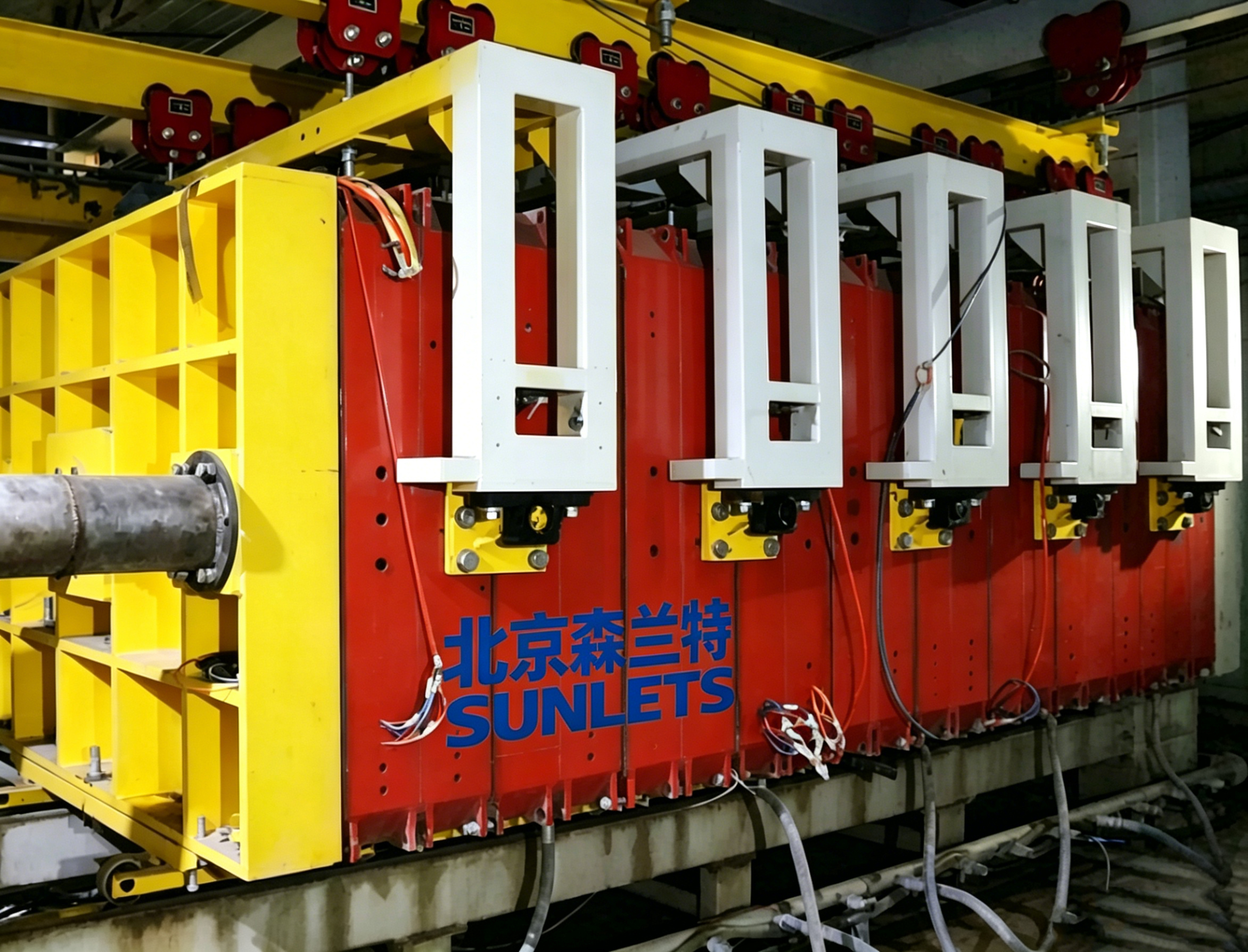 |
2. Unlocking Design Complexity: Empowering Innovation
Modern demands for "Rimless" toilets and ultra-thin basins push traditional forming methods to their limits.
Original Insight: High-precision forming, coupled with advanced Porous Resin Molds, allows for micron-level detail reproduction. This enables wall thicknesses as thin as 3-5mm without compromising structural integrity. It also optimizes internal trapway smoothness, which is vital for hydraulic performance and hygiene. Data Insight: Implementing high-precision automated forming can reduce R&D "trial-and-error" costs for complex designs by approximately 40%. | 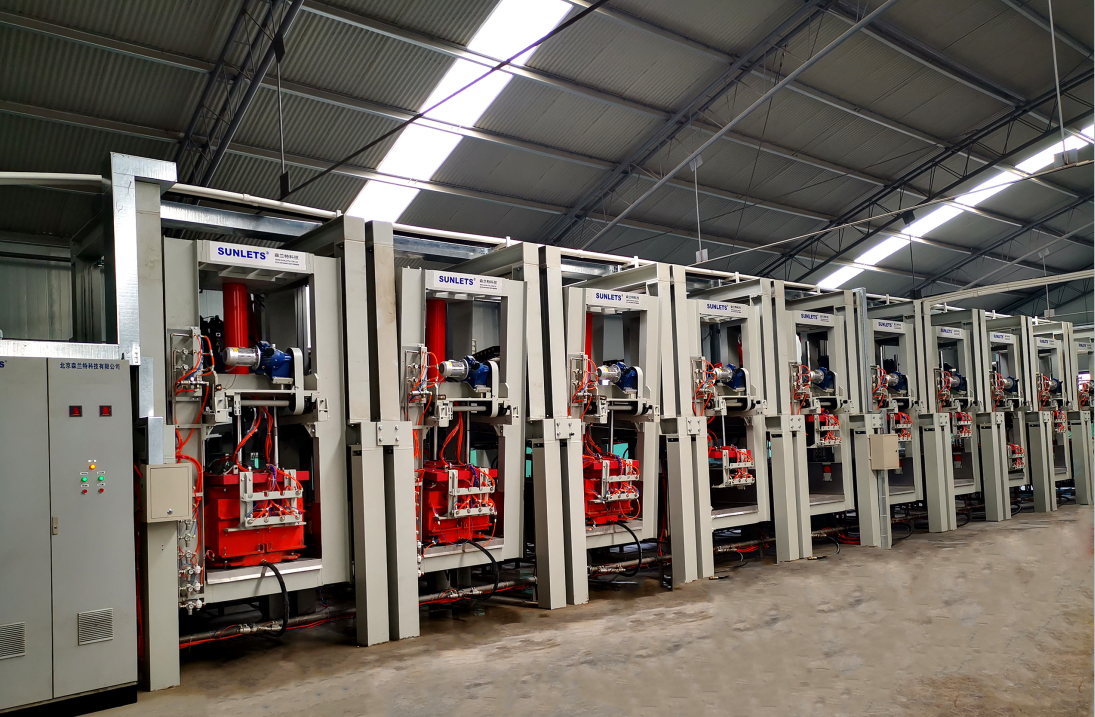 |
3. Maximizing Resource Efficiency & Production Throughput
Reduced Post-Processing: The superior surface finish of precision-molded greenware significantly minimizes manual retouching and finishing labor.
Cycle Acceleration: High-pressure technology reduces the casting cycle from several hours down to 15-25 minutes. By achieving high density quickly, per-machine output is tripled or even quintupled, vastly improving the factory's Return on Investment (ROI).